By Staff Writer@Newsforge.net
Apple Intelligence Approved for Launch in China with Alibaba’s Qwen AI: A Major Move
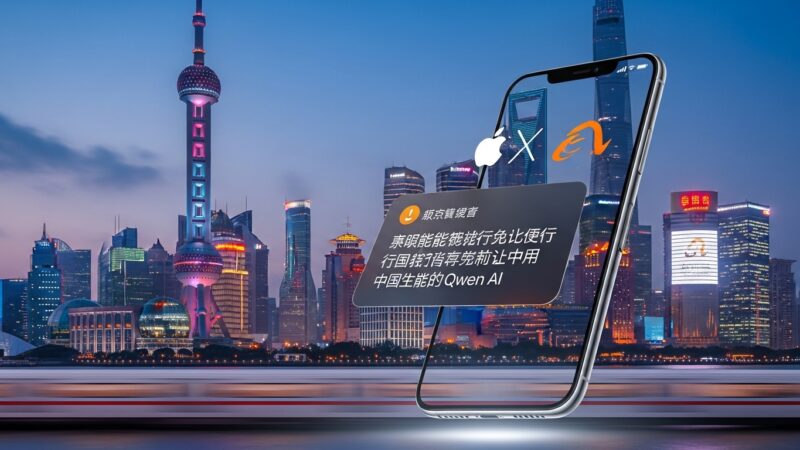
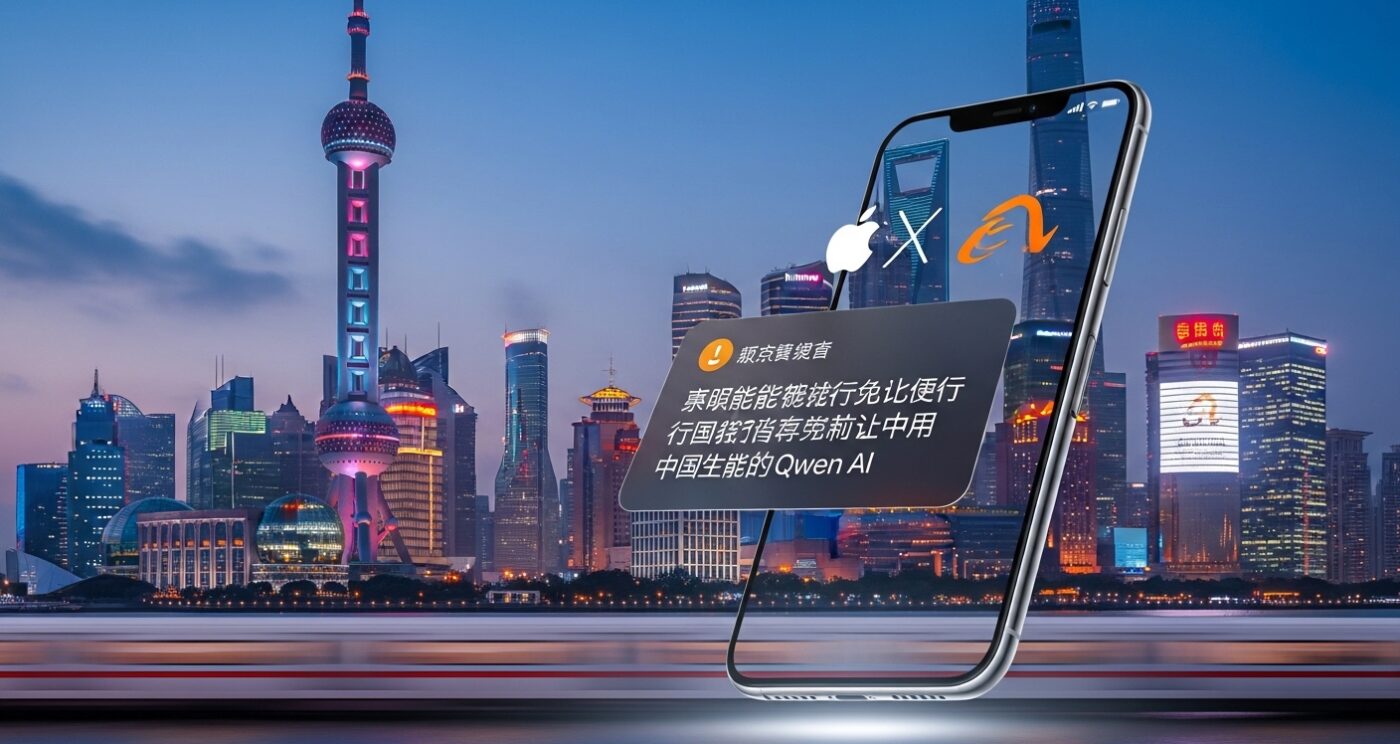
A significant development for Apple’s artificial intelligence ambitions just landed: Apple Intelligence approved for launch in China with Alibaba’s Qwen AI. This news, long anticipated by industry watchers and consumers alike, confirms an important strategic alliance for Cupertino in one of its most vital global markets. The partnership with Alibaba’s Qwen AI is not merely a convenience; it’s a necessity, effectively navigating China’s complex regulatory landscape for generative AI technologies.
For months, speculation mounted regarding how Apple would introduce its suite of AI features in a country known for its strict internet controls and data sovereignty demands. The answer involves leveraging a pre-approved, locally developed large language model (LLM) from a domestic tech titan. Alibaba’s Qwen AI, already a prominent player in China’s burgeoning AI sector, provides the foundational intelligence layer required to operate Apple Intelligence services within the country’s digital ecosystem.
Why Alibaba’s Qwen AI? The Regulatory Imperative
China’s approach to AI governance is distinct, often requiring foreign technology companies to partner with local entities or to host data and services within its borders. Generative AI, in particular, falls under stringent regulations designed to ensure content aligns with national values and security protocols. For Apple, deploying its AI capabilities in China without a domestic partner like Alibaba would be an insurmountable hurdle.
Qwen AI, developed by Alibaba Cloud, has undergone the necessary regulatory approvals, making it a compliant and ready-to-integrate solution. This arrangement ensures that Apple Intelligence features like advanced writing tools, image generation, and enhanced Siri functionalities can operate legally, albeit with local adaptations. Think of it: a global platform, finely tuned for local intricacies.
What This Means for Apple’s Strategy and Market Penetration
The approval for Apple Intelligence approved for launch in China with Alibaba’s Qwen AI represents more than just a regulatory win; it’s a critical component of Apple’s broader market strategy. China accounts for a substantial portion of Apple’s revenue and device sales. Without its latest AI features, iPhones and other Apple devices could risk falling behind local competitors already integrating advanced AI. This partnership keeps Apple competitive, ensuring its flagship devices retain their cutting-edge appeal.
Furthermore, this move underscores a growing trend among Western tech giants operating in China: a pragmatic adaptation to local conditions. It’s a delicate balancing act, maintaining brand identity while adhering to the specifics of the Chinese internet. This is a stark contrast to scenarios where tech companies face direct opposition or legal challenges, such as when Apple sues OpenAI over alleged trade secret theft in other jurisdictions, showcasing the varying strategic approaches required across different global markets.
Implications for Users and the AI Landscape
For Chinese iPhone users, the arrival of Apple Intelligence promises a significantly upgraded user experience. From smarter notifications to more intuitive content creation tools, the integration of Qwen AI means these users will now access the same headline features announced globally, albeit powered by a different backend. This localized deployment could also offer some unique advantages, potentially enhancing the AI’s understanding of local slang, cultural references, and specific service integrations.
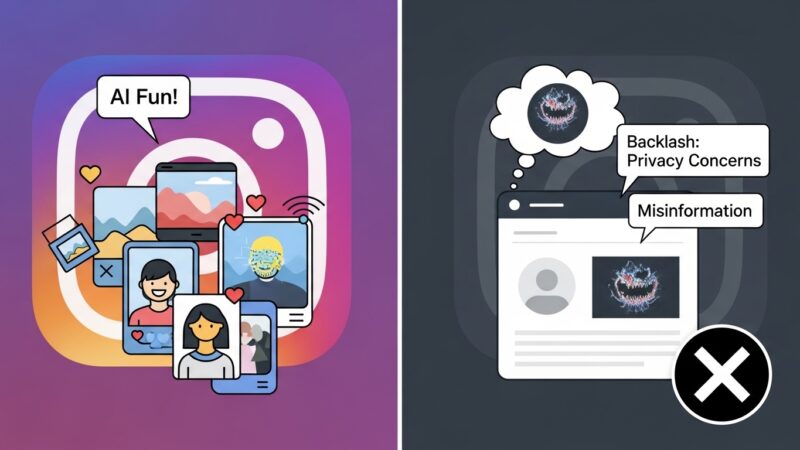
The broader AI landscape observes this partnership with considerable interest. It sets a precedent for how global AI products might enter highly regulated markets. While some might question the philosophical implications of a major tech company deferring its core AI engine to a third-party, the practical realities of market access often dictate such collaborations. Similar considerations about feature rollout and public reception were evident when Meta removes controversial AI feature on Instagram after backlash, highlighting the importance of careful deployment, especially with sensitive AI functionalities.
The Technical and Ethical Considerations
Integrating a third-party LLM into a tightly controlled ecosystem like Apple’s presents a myriad of technical challenges. Ensuring seamless operation, maintaining performance standards, and upholding Apple’s renowned user privacy commitments with an external AI partner will require meticulous engineering. Alibaba’s Qwen AI’s capabilities will also directly influence the quality and scope of Apple Intelligence services available in China.
Ethical considerations also play a part. Data governance, content moderation, and algorithmic bias are paramount in AI deployment, particularly in a market with strict censorship. Both Apple and Alibaba will likely navigate these aspects carefully, aiming to deliver robust functionality while adhering to local regulations. It’s a complex dance, but one that is essential for long-term viability. As OpenAI says GPT 5.6 is the ‘preferred model’ for Microsoft Copilot 365 amid breakup chatter, the choice of a foundational AI model has far-reaching implications, influencing everything from performance to perceived independence.
Looking Ahead: What’s Next for Apple in China?
This approval signifies more than just a product launch; it’s an evolution in Apple’s operational strategy within China. With Apple Intelligence approved for launch in China with Alibaba’s Qwen AI, the company can now fully compete in the country’s fiercely competitive smartphone and technology markets. Future updates and enhancements to Apple Intelligence in China will undoubtedly involve continued close collaboration with Alibaba, demonstrating a deep, ongoing partnership. The success of this integrated approach could very well influence how Apple, and indeed other global tech firms, approach similar markets where localized AI partnerships become the norm rather than the exception.