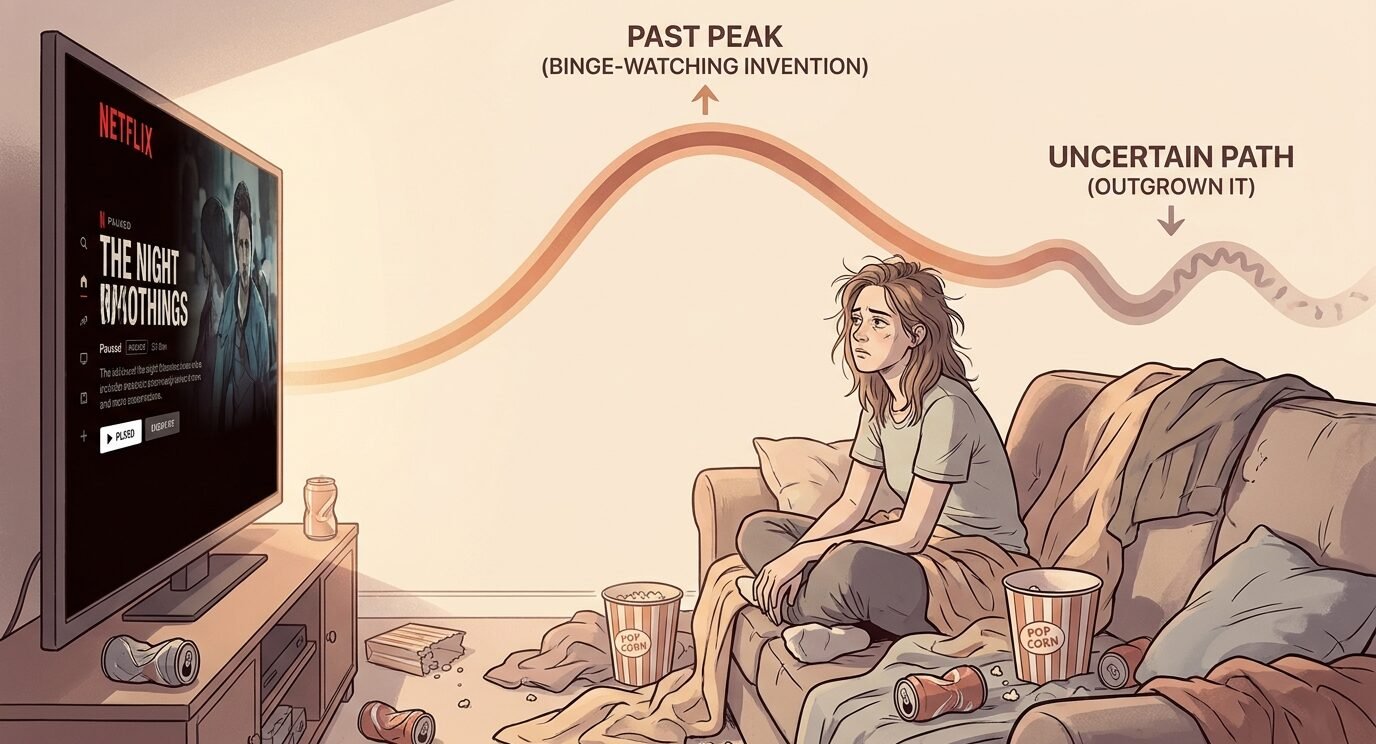
Netflix Invented Binge-Watching. Now It May Have Outgrown It.
Remember a time before Netflix? Before streaming meant hitting ‘play next episode’ almost instantly? It feels like ages ago. Netflix didn’t just give us a new way to watch; it birthed a cultural phenomenon. It wasn’t just about on-demand content; it was about the freedom to consume an entire season of a show in one glorious sitting. That’s right, Netflix invented binge-watching, fundamentally changing our entertainment habits. For years, this was their secret weapon, their major differentiator in a crowded market.
But things change. A new report suggests a puzzling trend: Netflix viewers aren’t sticking around for Season 2 of many original series. This raises a big question about the very model Netflix championed. The bigger issue may be that binge-watching itself is no longer the advantage it once was. It’s a bold claim, especially given how ingrained the practice is, but the signs are certainly there.
The Glory Days of Uninterrupted Stories
When Netflix began dropping entire seasons at once, it was revolutionary. Shows like House of Cards and Orange Is the New Black became instant global sensations, devoured by millions over a single weekend. Viewers loved the control, the ability to immerse themselves completely in a story without waiting a week for the next installment. This format fostered intense discussion, albeit often fleeting, as everyone tried to finish before spoilers hit. For Netflix, it meant rapid subscriber growth and a clear identity in the burgeoning streaming wars.
It wasn’t just convenience; it was a psychological shift. No more annoying cliffhangers at the end of an episode, forcing a week-long wait. The narrative flow was seamless. Creators could tell more expansive stories, knowing their audience would experience them in one continuous arc. This immediate gratification was powerful, establishing Netflix as the king of the ‘all at once’ release.
Why the Binge Might Be Losing Its Bite
So, if it was so great, what happened? Several factors are chipping away at the effectiveness of the binge model:
- Audience Fatigue and Overload: The sheer volume of content available today is staggering. With new shows dropping constantly across countless platforms, committing to an entire season can feel like a heavy investment. Viewers might start a show, get a few episodes in, and then feel overwhelmed by the need to finish it quickly before moving on to the next hot title.
- The Competition Caught Up: Netflix used to be the only game in town for this kind of release. Not anymore. Prime Video, Hulu, and others offer similar bingeable content. Plus, competitors like Disney+, HBO Max (now Max), and Apple TV+ often opt for a hybrid or weekly release model, which creates a different kind of buzz.
- Lack of Sustained Buzz: A show dropped all at once generates intense, but short-lived, discussion. A week later, everyone’s moved on. Weekly releases, however, keep a show in the cultural conversation for months. Think about the watercooler talk for shows like Succession or The Mandalorian; that sustained discussion simply doesn’t happen for a binge-released show.
- Second Season Slump: This is the core of the recent reports. Starting a show is easy; returning for a second season, especially after a long break and with so many new distractions, is harder. If the initial binge experience isn’t memorable enough or the story loses momentum, viewers may not have the stickiness to come back. The initial high wears off.
- Burnout and Backlogs: We’ve all done it. Started a show, watched half a season, then life got in the way. Suddenly, you have a dozen episodes to catch up on, and new shows are calling. It’s easier to abandon a partially binged show than one you’ve been watching weekly and are already invested in.
Netflix’s Shifting Streaming Content Strategy
Netflix isn’t blind to these trends. While they largely stick to their guns, there are subtle shifts in their streaming content strategy. They’ve experimented with weekly releases for some unscripted content or international co-productions, like The Great British Baking Show. This suggests an openness to adapting their model when it makes sense.
You also see them investing heavily in ‘event’ series – shows designed to be talked about instantly, creating an immediate, massive impact. Think of the buzz around Squid Game or the latest season of Stranger Things. These shows still benefit from the binge model by creating an intense, shared experience, but even then, the discussion often peaks and fades quickly.
Their approach to audience retention Netflix likely involves more sophisticated data analysis. They know exactly where viewers drop off. They’re probably looking at how to make that initial binge more compelling and how to gently nudge viewers back for subsequent seasons.
The Future of Streaming: Anticipation Over Immediate Gratification?
The conversation around the future of streaming is fascinating. For a long time, instant gratification was king. Now, there’s a growing appreciation for anticipation. The excitement of waiting for the next episode, speculating with friends, and seeing theories play out week by week is a powerful draw.
This isn’t to say binge-watching is dead. Far from it. Many people still prefer it, especially for shorter series or when catching up on older shows. But for new, high-stakes original content, the industry is seeing the value in slower releases. This creates a longer tail for engagement, more consistent press coverage, and a stronger sense of community around a show.
Ultimately, it might come down to a hybrid model. Some shows are perfect for binging – maybe light comedies or limited series. Others, particularly complex dramas or prestige television, might benefit greatly from a weekly rollout. The key for Netflix, and indeed for all streamers, is understanding what serves the story and the audience best.
Conclusion: An Evolution, Not an End
It’s remarkable to think that Netflix invented binge-watching. Now it may have outgrown it – or at least, the exclusive reliance on it. This isn’t a death knell for Netflix; it’s an evolution. The company has always been a disruptor, and its willingness to experiment and adapt has been crucial to its success. We’re seeing a maturation of the streaming landscape, where a one-size-fits-all approach no longer cuts it.
Expect Netflix to continue fine-tuning its release strategies, perhaps offering more choice or tailoring releases to specific genres and audience segments. The goal remains the same: keeping viewers engaged and subscribed. How they achieve that in the coming years might look quite different from the all-you-can-eat model they pioneered.
Frequently Asked Questions About Binge-Watching and Netflix’s Strategy
Q1: What exactly is binge-watching?
A1: Binge-watching refers to the practice of watching multiple episodes of a television program in rapid succession, typically an entire season or a significant portion of it, in a single sitting or over a very short period. Netflix popularized this by releasing all episodes of a new series at once.
Q2: How did Netflix invent binge-watching?
A2: While people had marathon-watched shows on DVD sets before, Netflix formalized and commercialized the concept by consistently releasing entire seasons of original series like House of Cards and Orange Is the New Black on its streaming platform. This ‘all-at-once’ drop was a deliberate strategic choice that differentiated it from traditional linear TV and other early streaming services.
Q3: Why might binge-watching no longer be an advantage for Netflix?
A3: Several reasons contribute. Viewer fatigue and content overload mean less commitment to finishing entire seasons. The initial intense buzz around a binged show quickly fades compared to the sustained conversation generated by weekly releases. Also, intense competition means other platforms offer similar content or different, potentially more engaging, release strategies. The reported difficulty in getting viewers to return for subsequent seasons is a significant factor.
Q4: Are other streaming services still using the binge model?
A4: Many streaming services still offer content that can be binged, especially for their entire back catalogs. However, for new original series, many competitors (like Disney+, Apple TV+, HBO Max/Max) often employ a hybrid model or strict weekly releases to build anticipation and maintain cultural relevance over a longer period. Prime Video still often uses a full-season drop, but also experiments.
Q5: What are the benefits of weekly episode releases compared to binge-watching?
A5: Weekly releases can build sustained anticipation and discussion, keeping a show in the public consciousness for weeks or months. This often leads to more robust fan communities, critical analysis, and ‘watercooler’ moments. It also gives audiences time to digest episodes and speculate, deepening engagement. From a business perspective, it can reduce subscriber churn by giving viewers a reason to stay subscribed for longer periods.
Q6: Could Netflix switch entirely to a weekly release model?
A6: It’s unlikely Netflix would abandon binge-watching entirely, as it’s a core part of their brand identity and still preferred by many users for certain types of content. However, they are already experimenting with hybrid models and weekly releases for specific shows (often unscripted or international content). It’s more probable they will adopt a more flexible, show-specific release strategy rather than a wholesale change.
Q7: How does this impact audience retention Netflix?
A7: If viewers don’t return for Season 2 after binging Season 1, it directly impacts audience retention. Each cancelled subscription or unrenewed show costs Netflix money and potential future engagement. A strong retention strategy means not just getting people to start a show, but to see it through its full run and continue subscribing for future content.
Q8: What does this mean for the future of streaming?
A8: The future of streaming likely involves more diverse release strategies. There won’t be a single dominant model. Services will increasingly tailor their release schedules to the type of content, the target audience, and competitive dynamics. Personalization will extend beyond content recommendations to how that content is delivered, aiming to optimize both initial viewership and long-term engagement.